Heart-Healthy Cooking Made Simple
Discover easy, flavor-packed recipes, smart swaps, and cooking tips that lower sodium, sugar, and saturated fat to keep your heart strong.
A Simple Path to a Stronger Heart: Heart-healthy cooking is less about restriction and more about daily choices that nurture your body. Start by centering meals on whole foods and minimizing ultra-processed items that sneak in excess sodium, added sugars, and refined oils. Build a balanced plate: colorful vegetables, lean protein, whole grains, and a little healthy fat. Choose cooking techniques that require less oil, like roasting, steaming, grilling, and quick sautéing. Keep salt in check by layering herbs, spices, citrus, and vinegar for bright flavor. Focus on fiber from fruits, vegetables, legumes, and grains to support healthy cholesterol levels and steady energy. Embrace unsaturated fats instead of trans fats and limit saturated fat by trimming visible fat and favoring plant-forward meals. Make simple swaps: yogurt in place of heavy cream, olive oil instead of butter, and nuts for croutons. With a few thoughtful habits, your kitchen becomes a daily ally for cardiovascular wellness.
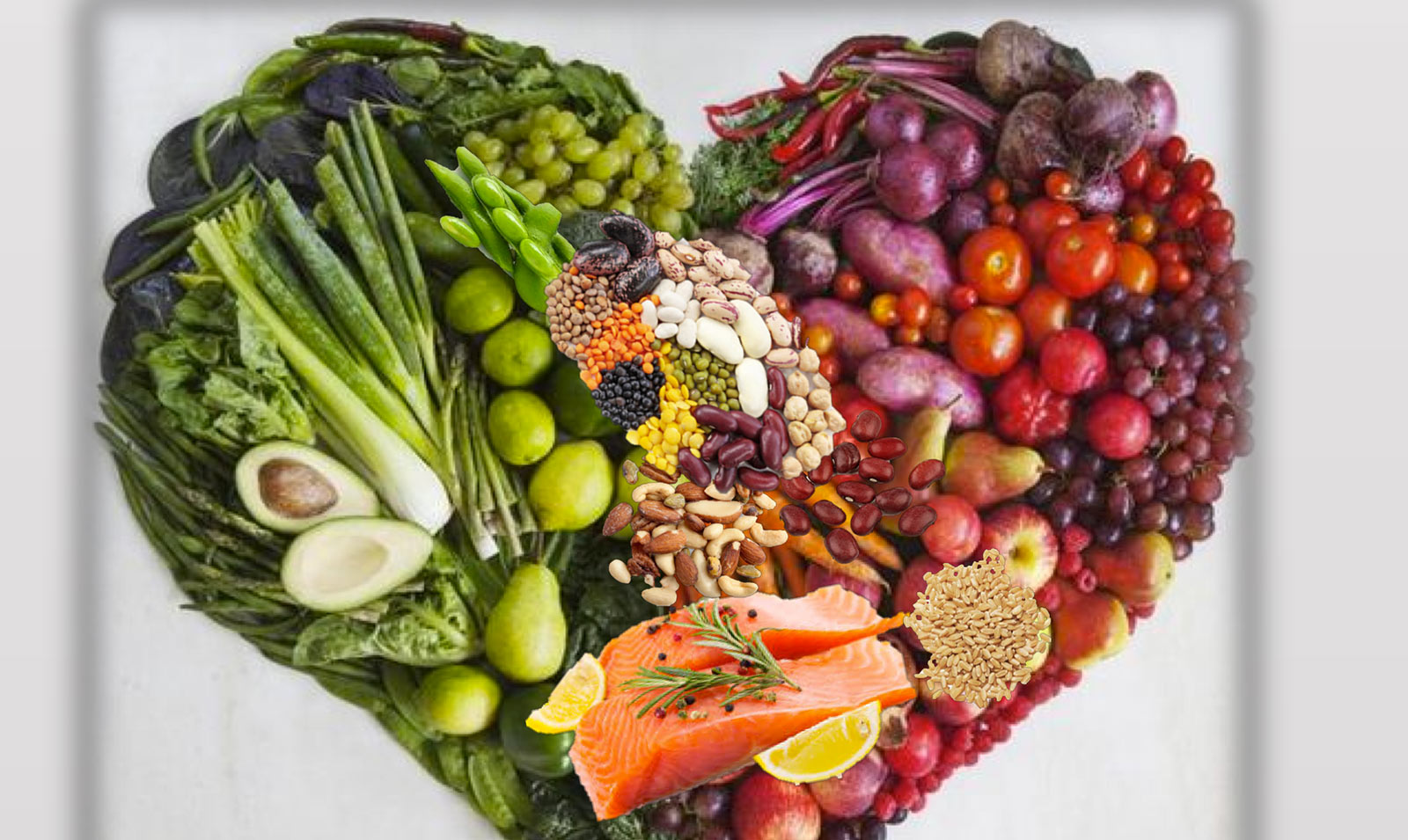
Choose Smart Fats: Not all fats act the same in your body. Prioritize unsaturated fats from olive oil, avocado, nuts, and seeds to support healthy cholesterol. Limit saturated fat from fatty cuts and full-fat dairy, and avoid trans fats often found in some baked snacks and fried items. Bring in omega-3s from salmon, sardines, trout, walnuts, chia, and flax to help calm inflammation. For cooking, use oils suited to your method: olive oil for low to medium heat, avocado or canola for higher heat, and a light spritz when a full pour is unnecessary. Add richness with tahini, nut butters, or a spoon of pesto rather than extra butter. Sprinkle seeds over salads, soups, and grain bowls for crunch and heart-friendly nutrients. Remember that fats are energy-dense; a mindful portion delivers flavor without excess. With smart choices, fat becomes a powerful partner in delicious, protective meals.
Flavor First, Not Salt: Great taste does not require heavy salting. Build bold flavor by sautéing aromatics like onion, garlic, and ginger, and by toasting spices to unlock their essential oils. Use layers of acidity from lemon, lime, or vinegar to brighten; a splash at the end wakes up the entire dish. Harness umami from mushrooms, tomatoes, nutritional yeast, and a small amount of low-sodium fermented condiments. Create salt-free seasoning blends with paprika, cumin, coriander, oregano, thyme, and citrus zest, then rub them on proteins and vegetables. Marinate with herbs and citrus rather than salty sauces. When using broth, choose low-sodium versions and reinforce flavor with roasted vegetables and fresh herbs. Finish with fresh elements like chopped parsley, mint, or scallions for lift. Keep the salt shaker off the table and taste as you cook. Thoughtful technique transforms simple ingredients into satisfying meals that respect your heart.
Fiber and Color on Every Plate: Vibrant produce delivers fiber, antioxidants, and potassium, all supportive of cardiovascular health. Aim for a spectrum of colors: dark leafy greens, orange squash, red peppers, purple cabbage, and deep berries. Emphasize soluble fiber from oats, beans, lentils, barley, apples, and citrus to help reduce LDL cholesterol, while insoluble fiber keeps digestion steady. Prep vegetables in big batches to make them easy to use: wash greens, slice carrots, and roast trays of broccoli or cauliflower. Combine raw and cooked textures for satisfaction, like crisp salad greens topped with warm roasted beets and a crunchy seed mix. Round flavors with a drizzle of olive oil and a squeeze of lemon instead of heavy dressings. Add fruit to breakfast bowls and snacks to satisfy a sweet tooth naturally. The more produce you invite to your plate, the easier it is to meet fiber goals and nourish your heart.
Protein with a Purpose: Choose lean proteins that bring more than calories to the table. Center meals on legumes like chickpeas, black beans, and lentils, which offer fiber and minerals alongside protein. Enjoy fish, especially fatty fish rich in omega-3s, several times across the month, and select skinless poultry, tofu, tempeh, or eggs for variety. Limit processed meats, which often carry excess sodium and saturated fat. Gentle cooking methods like baking, steaming, and poaching help retain nutrients and require less added fat. For quick weeknights, cook a big pot of lentils or beans and freeze in portions for easy tacos, soups, and grain bowls. Boost flavor with herb-forward rubs, citrusy marinades, or yogurt-based sauces rather than salty glazes. When choosing dairy, lean toward lower-fat, cultured options like kefir or yogurt for probiotics and balance. Thoughtful protein choices deliver satisfaction, protect your heart, and keep meals simple and approachable.
Whole-Grain Know-how: Whole grains deliver fiber, B vitamins, and minerals that refined grains often lack, supporting healthy cholesterol and steady energy. Swap in brown rice, quinoa, farro, bulgur, barley, or oats for refined staples. Cook grains with aromatics and a bay leaf for depth, or stir in herbs and lemon zest at the end for brightness. Pair grains with protein and healthy fat to moderate glycemic impact and keep you full longer. Try pasta cooked al dente, then toss with beans, vegetables, and a drizzle of olive oil for a balanced bowl. Breakfast can be savory oats topped with sautéed greens and a soft egg, or a warm quinoa bowl with berries and walnuts. When reading labels, favor options higher in fiber and lower in added sugars and sodium. Keep pre-cooked grains in the fridge so heart-healthy bowls come together in minutes, even on busy days.
Prep, Plan, and Save: Heart-healthy cooking gets easier with a stocked kitchen and smart planning. Build a pantry with low-sodium beans, no-salt tomatoes, whole grains, olive oil, vinegars, and a rainbow of spices. Keep frozen vegetables and fruit for quick, nutrient-rich additions when fresh options are limited. Batch-cook a protein, a couple of grains, and a sheet pan of vegetables each week to mix and match. Lean on one-pan meals and sheet-pan roasts to reduce cleanup and extra oil. Stretch your budget by buying produce in season, choosing store brands, and using dried legumes for soups and stews. Blend simple sauces like tahini-lemon, yogurt-herb, or a salsa of tomatoes and cilantro to transform leftovers. Portion meals into containers so lunch is ready before hunger strikes. With a little planning, you save time, reduce stress, and make the heart-smart choice the easiest option in your day.
Make It Stick: Lasting change comes from small, repeatable habits that feel good. Practice mindful eating: slow down, notice flavors and textures, and pause halfway to check fullness cues. Use the plate method to guide portions without micromanaging every bite. Stay hydrated, and let water, unsweetened tea, or fruit-infused sips crowd out sugary drinks. When dining out, seek grilled, roasted, or steamed options, ask for sauces on the side, and swap fries for vegetables or a side salad. Keep snacks balanced with fiber, protein, and healthy fat, like fruit with nuts or hummus with crunchy vegetables. Celebrate progress rather than perfection; one rich meal does not undo steady habits. Revisit your pantry list, refresh spice blends, and keep a few go-to recipes on rotation. By making heart-healthy choices automatic and enjoyable, you build a delicious routine that supports energy, mood, and long-term cardiovascular well-being.