Home Gym Essentials: Gear That Maximizes Small Spaces
Turn tight corners into powerful training zones with compact, multi-use gear, smart storage, and layout tips that make every square foot count.
Plan Your Space With Purpose
Turning a tight corner into a capable gym starts with a plan tailored to a small footprint. Measure floor area, ceiling height, and door clearances so your gear tucks away without blocking movement. Prioritize vertical storage using wall rails, shelves, and over-door hooks to keep equipment within reach but off the floor. Define zoning for strength, mobility, and cardio so setup and teardown take seconds, encouraging consistent use. Protect floors with durable floor protection such as interlocking tiles or a dense folding mat, and consider noise control with an underlay or rug stack beneath cardio tools. Good lighting boosts focus; a bright task lamp near your training zone reduces eye strain and motivates longer sessions. Ensure airflow with a portable fan to manage temperature and sweat. Pre-pack wipes and a small caddy for quick cleanups, and label bins for bands, grips, and handles. The goal is frictionless transitions—roll out, lift, recover, then tuck everything away just as fast.
Strength Tools That Do It All
For compact power, choose adjustable dumbbells to replace a full rack without sacrificing progression. Pair them with resistance bands and a door anchor for rows, presses, and pulldowns that scale from warm-up to heavy work. A suspension trainer unlocks push, pull, core, and single-leg drills while stashing flat in a drawer. Add a foldable bench that inclines and declines to expand press angles and support hip hinges. A single kettlebell or sandbag enables swings, cleans, and carries that heat the whole body. Floor slider discs turn lunges, hamstring curls, and mountain climbers into space-efficient burners. Build sessions around compound lifts—squat, hinge, push, pull, and carry—to maximize stimulus per minute. Use tempo control and unilateral training to progress when loads are limited: slow eccentrics, mid-rep pauses, and offset stances challenge stabilizers and extend sets. Finish with a door-frame pull-up bar that comes down in seconds for strict pulls, hangs, and decompression.
Compact Cardio Without the Bulk
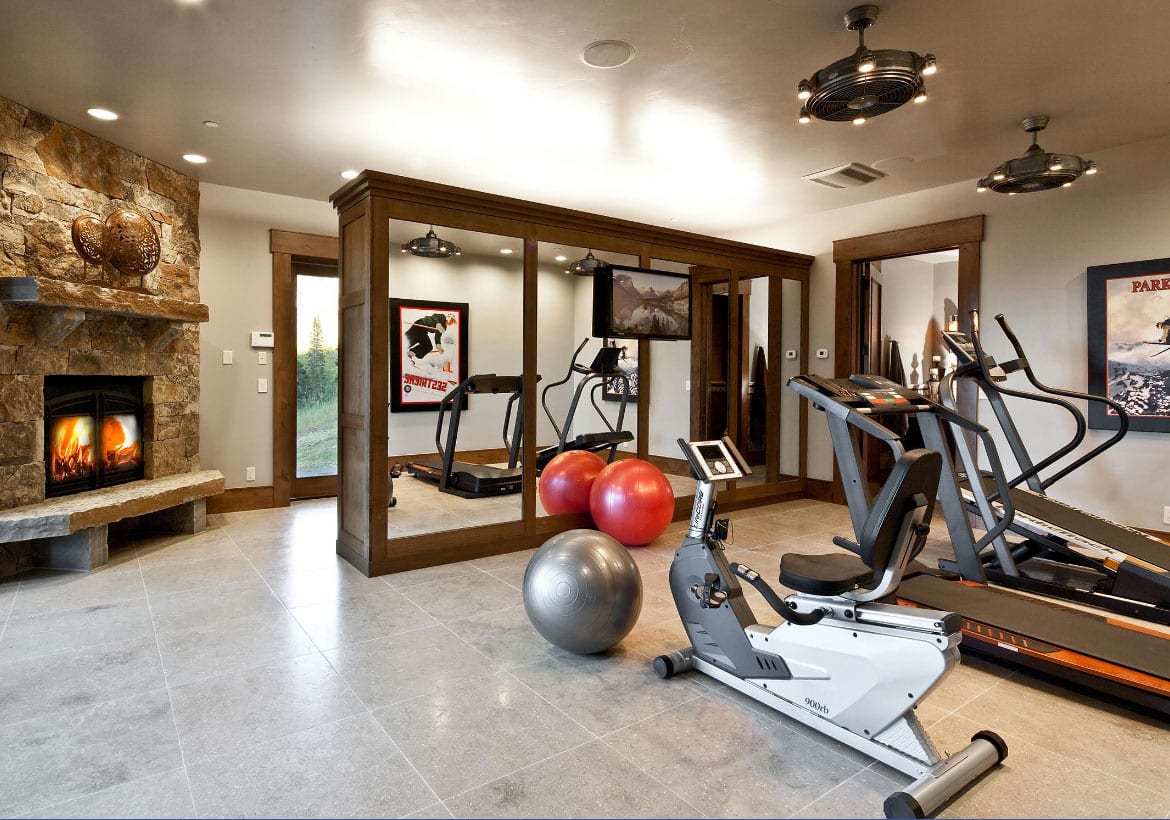
Skip the towering machines and keep cardio nimble with a jump rope for crisp intervals that store in a pocket. A mini stepper or compact elliptical brings low-impact climbs to a corner, while a compact rower or foldable treadmill can slide under a bed after use. If noise is a concern, try silent killers like shadow boxing, marching ladders, or brisk incline walks on a mat for noise control. For power and precision, sprinkle in interval training—think 30 seconds on, 30 seconds off—rotating between ropes, stepper bursts, and bodyweight sprints such as fast feet, skaters, or high knees. On recovery days, choose low impact cardio flows that keep heart rate steady without joint stress. Track effort by conversation pace or perceived exertion to stay within aerobic or threshold zones. Warm up with mobility and light hops, and cool down with breathing and calf stretches to protect tendons, keep rhythm snappy, and build durable capacity in minimal space.
Smart Storage, Flooring, and Recovery
Clutter is the enemy of consistency, so invest in wall-mounted storage or a pegboard to dock bands, jump ropes, and attachments. Use stackable bins and nesting bells to compress volume, and slide long items into under-sofa containers for clean lines. For the base, dense EVA tiles or rubber flooring absorb shock, stabilize stances, and protect neighbors from thuds. Add sound damping with layered rugs under any stepping device to keep sessions discreet. Keep a small tray for chargers and a timer so cables do not sprawl across your zone. Recovery matters as much as lifting: a collapsible foam roller, massage balls, and a strap with blocks support tissue work, thoracic mobility, and hip opening without hogging room. Wipe-down supplies and breathable storage bags maintain hygiene and gear life. Good airflow and a moisture-wicking mat prevent odors, while a simple laundry hook system speeds towel turnover. Everything has a home, which keeps workouts fast and stress-free.
Programming Workouts for Small Spaces
Structure beats square footage. Anchor sessions with circuit training that cycles push, pull, hinge, squat, core, and a brief cardio burst. Use EMOM or AMRAP formats to drive focus and density while your timer cues transitions. Apply progressive overload through reps, sets, tempo, range, or shorter rest when added weight is limited. A tidy 30-minute template: five-minute mobility warm-up; four rounds of two strength moves plus one cardio minute; a core finisher; then breath work. Emphasize balance—mix bilateral and single-leg patterns, horizontal and vertical presses, and both anti-rotation and rotation for the trunk. Safeguard safety by clearing your landing zone and checking anchors before every pull or dip. Build habit stacking by pairing workouts with an existing routine, like morning coffee or post-work reset. Track sessions with quick notes on loads, reps, and rate of effort, and rotate deload weeks to stay fresh. Consistency and intention turn any corner into results.