Hydration Myths vs. Facts: What Your Body Really Needs
Think 8 glasses is a rule? From coffee's role to electrolytes and urine color, separate hydration myths from facts and drink smarter.
Hydration Foundations
Hydration is more than just drinking water; it is about maintaining fluid balance so every system in your body can function smoothly. Water supports temperature regulation, carries nutrients through the bloodstream, cushions joints, aids digestion, and enables countless cellular reactions. Your body uses sophisticated signals—like thirst and changes in urine output—to help you keep this balance day to day. Because we lose fluids through breathing, sweat, and waste, consistent intake matters. Yet true hydration also depends on electrolytes such as sodium, potassium, and magnesium, which help regulate osmosis and keep fluids where they are needed. Think of hydration as a partnership between fluids and minerals that preserve homeostasis. Food contributes meaningfully, too; many fruits, vegetables, and soups deliver water plus electrolytes. Paying attention to routine cues—energy levels, mouth dryness, and urine color—can guide adjustments without overcomplicating things. The goal is not perfection but a steady rhythm of replenishment that matches your lifestyle, environment, and activity.
The Eight-Glass Rule Debate
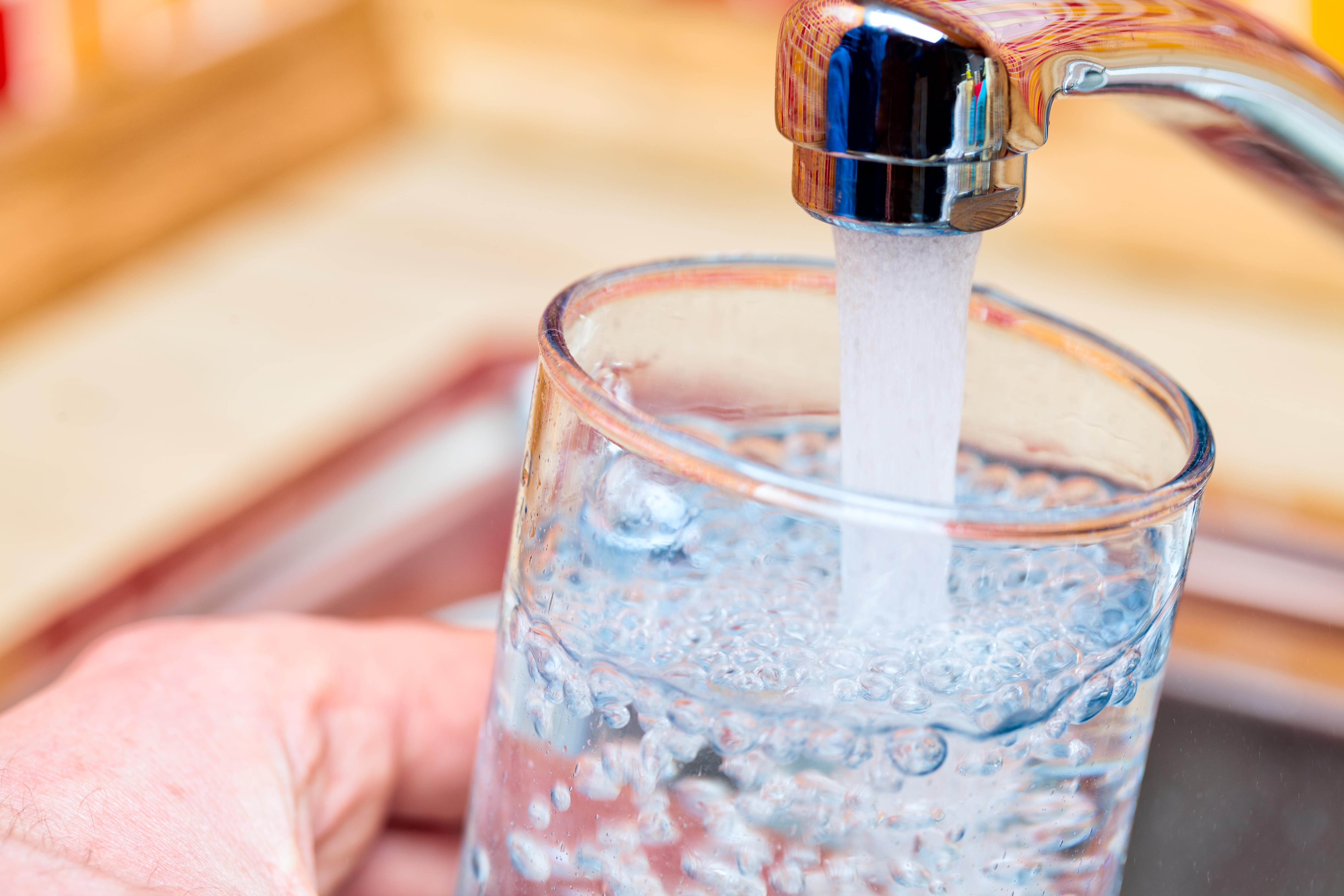
You have likely heard the 8-glass rule, but hydration is not one-size-fits-all. Needs vary with body size, activity, climate, altitude, and even how much water your food contains. A person who eats plenty of hydrating produce and soups may require less from beverages than someone whose diet is drier. Trust your thirst as a primary guide, then refine by observing urine color—pale straw generally suggests adequate intake, while dark yellow often signals it is time to sip. Remember, most nonalcoholic drinks count: water, sparkling water, milk, diluted juices, and herbal teas can all contribute. Sweating more than usual, traveling, or spending time in heated or air-conditioned spaces can increase needs. Rather than fixating on an exact number, aim for consistency, spacing drinks across the day so your body can absorb and use them effectively. This flexible approach respects your unique biology while reducing the stress of chasing arbitrary targets.
Caffeine Counts, With Caveats
The idea that caffeine inevitably dehydrates you is a persistent myth. Coffee and tea do have a mild diuretic effect, but for regular consumers the body adapts, and these beverages typically contribute to overall fluid intake. That said, context matters. Large, concentrated doses of caffeine—especially when paired with intense heat or exercise—can increase urine output temporarily. Sugary, highly caffeinated drinks may also lead to energy swings that complicate hydration habits. A practical strategy is to include caffeinated beverages as part of your fluid mix if you enjoy them, while also drinking plain water and other low-sugar options. Pay attention to how you feel: jitters, racing heart, or frequent bathroom trips can be signals to scale back. Consider timing as well; spreading caffeinated drinks earlier in the day can support sleep, which indirectly benefits hydration balance. The fact is that caffeine can fit into a balanced hydration plan when you honor your body's feedback and stay mindful of portion sizes.
Clear Isn't Always Better
Crystal-clear urine is often celebrated as a gold standard, but it can sometimes indicate overhydration. While dark urine may suggest you need more fluids, persistently water-clear urine might mean you are diluting electrolytes beyond what your body needs. In extreme cases, excessive water without adequate sodium intake can lead to hyponatremia, a dangerous drop in blood sodium levels. Your ideal target is a pale straw shade most of the time, with normal variations throughout the day. First-morning urine is often darker due to overnight concentration, and that is not necessarily a problem. Consider factors such as diet, supplement use, and sweat rate, all of which affect urine color and volume. Instead of chasing perfectly clear output, aim for balanced hydration: steady sips, electrolyte-aware choices when sweating heavily, and moderation if you find yourself constantly running to the restroom. Remember that your body thrives on equilibrium, not extremes, and subtle course corrections usually work best.
Beyond Water Alone
Plain water is an excellent foundation, but it is not the only path to hydration. Many foods are naturally hydrating, including cucumbers, berries, citrus, melons, tomatoes, leafy greens, yogurt, and broths. These choices pair water with electrolytes, fiber, and micronutrients that support overall health. Milk and fortified milk alternatives can hydrate while providing protein and minerals, which may help with post-activity recovery. For longer or sweat-heavy efforts, beverages that include sodium and carbohydrates can aid fluid absorption and help maintain performance. If you prefer flavored options, consider lightly sweetened or diluted choices to keep total added sugars in check. Even sparkling water can be refreshing and effective if carbonation sits well with you. The key is diversity: mix and match liquids and high-water foods according to taste, tolerance, and context. By thinking beyond a single beverage, you will make hydration more enjoyable, sustainable, and aligned with your nutritional needs.
Hydrating For Exercise
Exercise changes the hydration equation by increasing sweat losses and shifting electrolyte needs. A smart approach starts with being well hydrated before activity, sipping periodically during, and replacing fluids and sodium after. Small, regular sips tend to absorb better than large gulps, reducing sloshing and discomfort. Your sweat rate, climate, intensity, and clothing all influence how much you need. Salty white marks on your gear, stinging eyes, or salt crust on skin can indicate higher sodium losses, suggesting that an electrolyte beverage or salty snack may help. Overdrinking plain water can backfire, so match intake to thirst and conditions rather than a rigid schedule. After workouts, combine fluids with a meal or snack that includes protein, carbohydrates, and a pinch of salt to support recovery. If you train for extended periods or in hot, humid environments, practice your fluid strategy so your gut adapts. Consistency and personalization trump one-size-fits-all rules.
A Personalized Hydration Plan
Your best hydration plan respects your routines, preferences, and environment. Start with simple anchors: drink when thirsty, include a glass with meals, and keep water or a favored beverage within reach. Let urine color guide easy adjustments, aiming for pale straw most of the day. Consider your context: hot or humid days, heated indoor air, high altitude, and travel can all raise needs. Illness, certain medications, pregnancy, and breastfeeding warrant extra attention and, when needed, professional guidance. If you are very active, track how you feel during and after sessions—energy, cramps, headaches, or excessive fatigue can be clues to fine-tune electrolytes and timing. Hydrating foods add variety and help you meet goals without feeling like you are constantly sipping. Above all, prioritize consistency over perfection. Small, reliable habits—paired with body awareness—create a resilient, sustainable approach that supports performance, cognition, digestion, and overall well-being every single day.