Master Your Form: Core Exercises You Can Do Anywhere
Build a stronger, more stable core anywhere with no equipment. Learn proper form, progressions, and a quick plan you can do today.
Core Fundamentals Anywhere Your core is more than visible abs; it is a 360-degree system that stabilizes every movement you make. Think of it as a cylinder including the deep abdominals, back stabilizers, diaphragm, and pelvic floor working together to keep a neutral spine. Before any exercise, practice gentle bracing: inhale through the nose to expand the rib cage in all directions, then exhale to knit ribs toward hips while keeping your neck long and shoulders relaxed. This creates tension without holding your breath. Aim for quality over quantity, and stop a set when form fades. Maintain a slight posterior pelvic tilt to prevent your lower back from over-arching, and keep your ribs stacked over your pelvis. Use diaphragmatic breathing to control pressure, and prioritize time under tension with slow, precise reps. You can rehearse these cues anywhere: at home, in a park, or in a hotel room. Avoid common errors like flared ribs, shrugged shoulders, and rushing through reps.
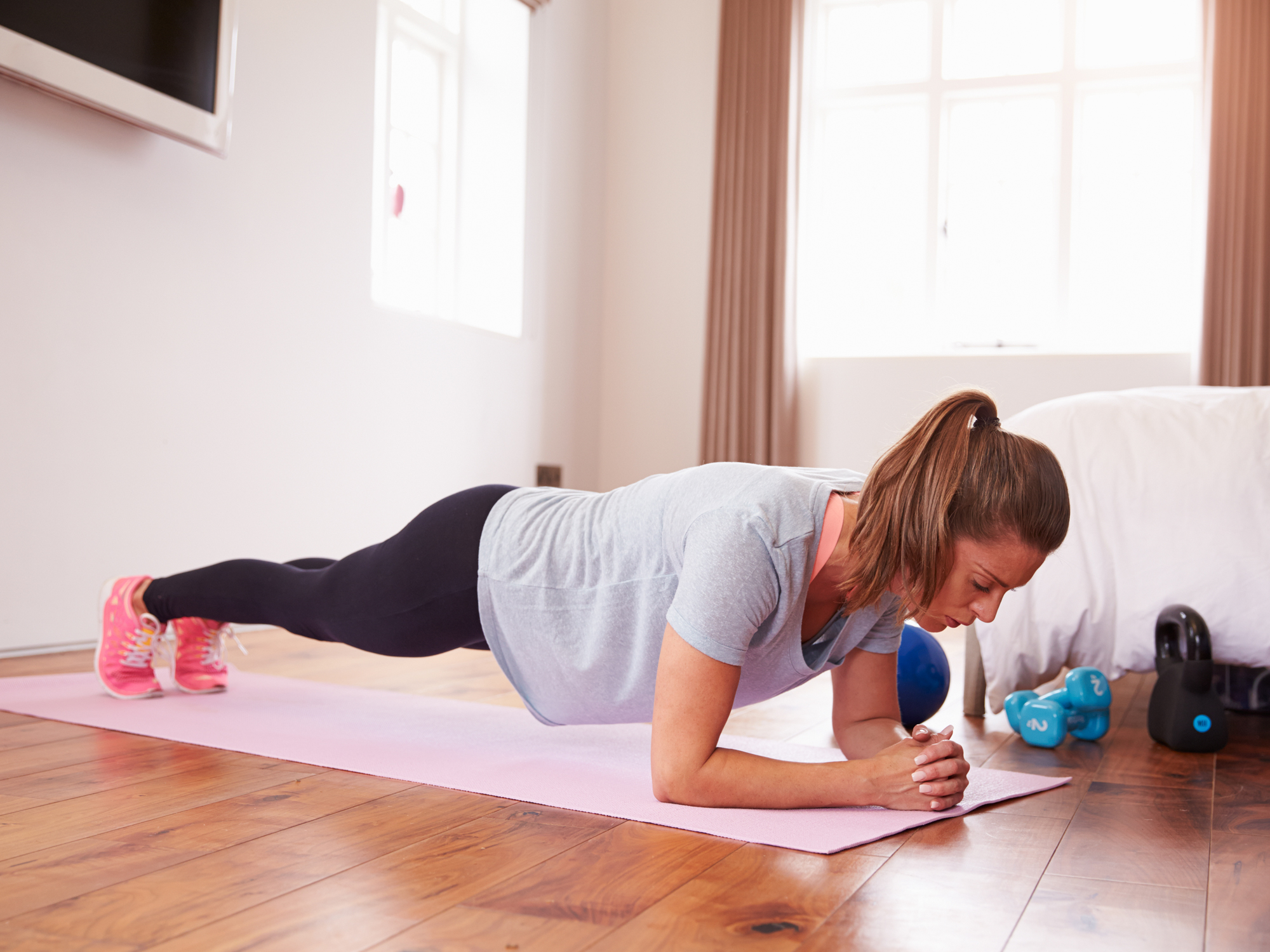
Plank: Your Anywhere Anchor The plank is a simple, powerful test of full-body tension and breathing control. Set up with forearms or hands on the floor, elbows under shoulders, and feet hip-width. Press the floor away, spread your shoulder blades slightly, and squeeze glutes and quads to keep a neutral spine. Think long from heels through the crown of your head, tuck the pelvis gently, and keep ribs down as you take slow nasal inhales and full, controlled exhales. If hips sag, elevate your hands on a bench or drop to knees while maintaining the same alignment. To progress, narrow your stance, add shoulder taps without rocking, or practice marching planks by lifting one foot at a time. Keep the neck neutral, gaze down, and avoid holding your breath. Focus on steady bracing, even pressure through forearms or palms, and consistent tension. End each set while your form remains crisp to build resilient, transferable strength.
Side Plank: Lateral Stability The side plank trains anti-lateral flexion, challenging the obliques and deep stabilizers that keep your torso from collapsing under side-to-side forces. Lie on your side with the elbow directly under the shoulder and legs stacked. Drive the forearm into the floor, lift the hips, and create a straight line from ankles to ears. Gently tuck the pelvis, keep ribs down, and reach long through the crown to avoid shrugging. If needed, bend the bottom knee for a supported version or elevate the forearm on a sturdy surface. Progress by staggering your feet, lifting the top leg in a star position, or adding controlled hip dips for range. Breathe smoothly, maintaining bracing without tension creeping into your neck. Keep your chest facing forward to resist twisting open. Side planks help stabilize the pelvis during walking, running, and carrying, and they improve posture by balancing the muscles that control your hips and lower back.
Dead Bug and Bird Dog Control Pair dead bug and bird dog to build precise control from front and back. For dead bug, lie on your back with arms up and hips and knees at ninety degrees. Exhale to imprint your lower back lightly into the floor, draw ribs down, and brace. Slowly reach one arm overhead while extending the opposite leg, stopping before your back lifts. Inhale on the return, then switch sides, keeping movement unhurried. For bird dog, start on hands and knees with a neutral spine and active shoulders pressing the floor away. Exhale to brace, then slide one leg back and reach the opposite arm forward without rotating your hips or shrugging. Pause, breathe, and return under control. You can regress dead bug to heel taps or progress with longer levers, and elevate hands for bird dog if wrists are sensitive. Move with intentional tempo, maintaining alignment and steady breathing to engrain stability.
Hollow Hold and Reverse Curl Precision The hollow body hold teaches total-body tension and anti-extension control. Start on your back, exhale to knit ribs down, and lightly press your lower back into the floor. Tuck into a small ball, then gradually extend arms and legs until you find the longest shape you can hold without losing contact through your mid-back. Keep your chin slightly tucked, shoulders gently off the floor, and maintain smooth breaths. If your back pops up, shorten the lever by bending knees or lowering arms. Progress to hollow rocks for dynamic control. Pair this with a reverse curl: draw knees in, exhale, and tilt the pelvis to gently peel the tailbone off the floor without swinging the legs. Control the descent slowly to own every inch. These moves engrain strong, balanced tension that supports planks, push-ups, and daily tasks, helping you resist over-arching and distribute effort across the entire trunk instead of overloading the lower back.
Glute Bridge and Hip Hinge Strength A strong core includes the posterior chain. The glute bridge reinforces pelvic control and balances hours of sitting. Lie on your back with feet hip-width and heels planted. Exhale to brace, gently tuck the pelvis, and drive through mid-foot to lift the hips until shoulders, hips, and knees align. Keep ribs stacked over the pelvis so the work stays in the glutes instead of your lower back. Pause and breathe at the top, then lower with control. If hamstrings cramp, reset your pelvic tilt and think of squeezing your butt before pushing. Progress with single-leg bridges, bridge marches, or elevated feet for more range. Keep knees tracking over mid-foot and avoid flaring ribs or pushing through toes. This pattern transfers to a better hip hinge in daily life, making bending, lifting, and carrying safer and stronger by sharing load across hips, core, and back.
Mini Circuits, Breathing, and Consistency Turn these moves into quick, effective anywhere sessions using short circuits. For example, flow from a plank to a dead bug, then a side plank, and finish with glute bridges. Work for time or slow, counted breaths, and cycle through two to four rounds based on energy and form quality. Adjust progressive overload by lengthening holds, adding reps, extending levers, narrowing your base, or slowing tempo for more time under tension. Keep breathing central: inhale to create space, exhale to brace and move. Sprinkle micro-sessions into breaks, warm-ups, or cool-downs. On days you want variety, add controlled mountain climbers or bear crawls, keeping pace deliberate and hips stable. Support recovery with easy walking, gentle hip flexor stretches, and smooth spinal mobility drills. Track how your body feels and aim for consistency over perfection. Done regularly, these simple tools build durable, everyday strength without special equipment or a dedicated gym space.