Recovery That Works: Mobility Drills to Move Better
Unlock easier, pain-free movement with proven mobility drills. Learn smart recovery principles, daily routines, and progressions to move better.
Why Mobility Matters in Recovery: Moving better starts with cultivating mobility, not just chasing flexibility. Mobility blends usable range with strength, control, and coordination, helping your body tolerate load and return to training feeling refreshed. Effective recovery targets the nervous system as much as the tissues, using calm breath and smooth tempo to reduce unnecessary tension. Think of it as teaching your joints to own their active range so movement feels easier and more efficient. When you groove better patterns, you reduce compensations that sap energy and cause discomfort. Anchor every drill with tall alignment, a steady rib cage, and a pelvis that stays organized, so the right areas are doing the work. Prioritize slow, pain-free arcs over big, sloppy swings. With consistent practice, expect gains in joint health, smoother strides, and a more responsive body that rebounds faster after tough efforts. The aim is simple: reclaim quality movement so your training becomes sustainable and enjoyable.
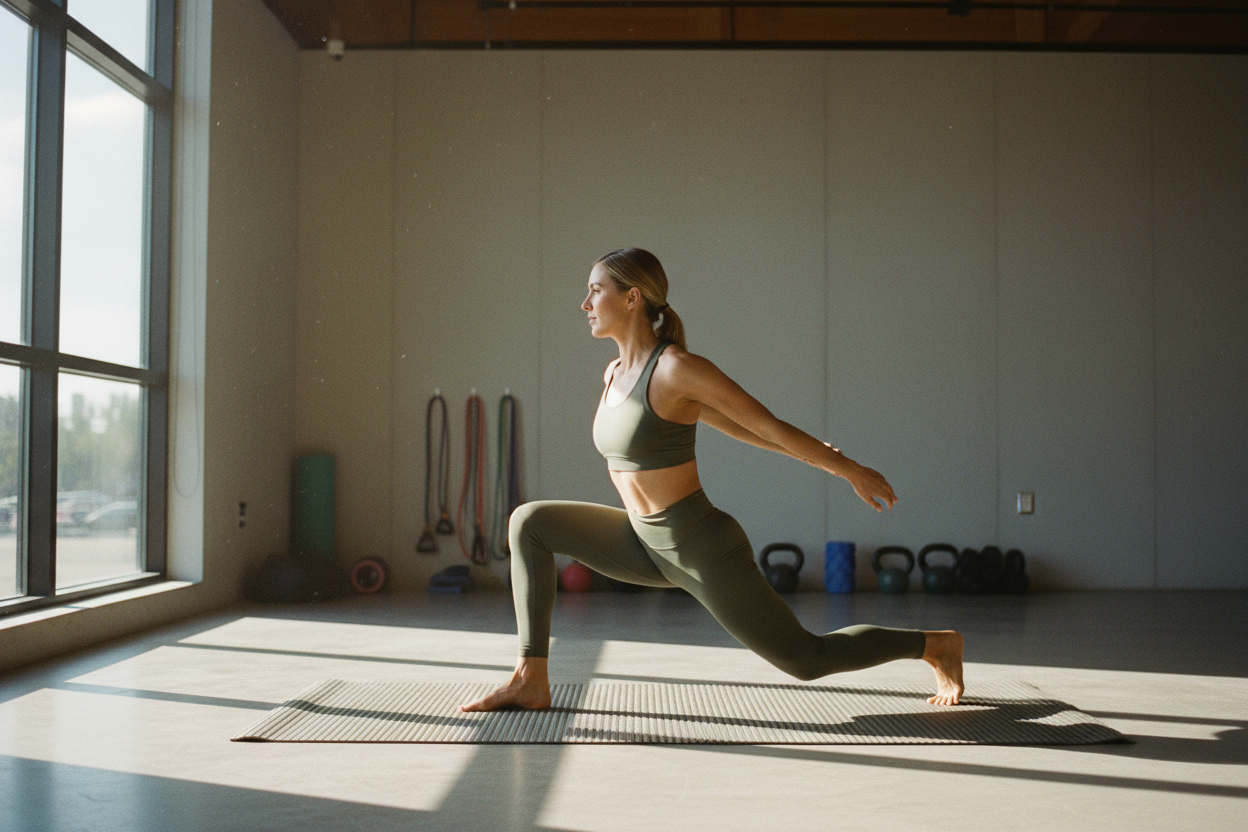
Build a Simple Prep Routine: A smart warm-up blends gentle joint circles, targeted activation, and dynamic patterns that mimic your sport. Start at the neck and move down: slow circles for shoulders and wrists, easy rotations for the thoracic spine, hip circles, knee flexion–extension, and ankle rolls. Try controlled articular rotations (CARs) to explore end ranges, feeding lubrication to the joints while teaching precise control. Layer in marching, leg swings, light hinge patterns, and coordinated arm drives to build blood flow and coordination without fatigue. Keep the rhythm smooth, pairing movement with breath—inhale to lengthen, exhale to stabilize. Prioritize areas you use most: runners love hip and ankle prep; lifters thrive with spine and shoulder priming. The goal is priming, not exhausting. After a few focused minutes, your nervous system is alert, tissues are warmer, and your technique is cleaner, setting the stage for safer, more effective work.
Unlock the Upper Body: Many athletes are limited by a stiff thoracic spine and undertrained scapular control. Start with slow, segmental cat–cow variations to mobilize the mid-back, then add open-book rotations, pausing at end range with easy breath to signal safety. For the shoulders, practice wall slides keeping ribs down, or prone swimmers tracing big arcs while maintaining gentle tension through the core. Add controlled reaches in multiple directions to strengthen position-specific shoulder rotation. Include scapular push-ups and hanging shrugs if appropriate, focusing on protraction, retraction, elevation, and depression. Keep reps smooth and ranges honest; quality trumps quantity. When the rib cage and shoulder blade move well together, posture improves, pressing feels stronger, and overhead positions become more accessible. Finish with gentle neck glides and traps relaxation so upper-body tone resets. These drills build usable end range, reduce neck and shoulder stiffness, and make daily tasks—like reaching, carrying, and bracing—feel lighter and more stable.
Free the Hips, Knees, and Ankles: Lower-body efficiency depends on clean hip rotation, supple adductors, and reliable ankle dorsiflexion. Start with 90–90 switches, pausing to breathe into tight spots and lightly press the front shin down to reinforce new range. Add a tall half-kneeling hip flexor stretch with a subtle posterior pelvic tilt to target deep hip structures without cranking the low back. Rock-back adductor openers teach the groin to lengthen while the spine stays long. For ankles, try knee-to-wall pulses, smooth heel lifts, and tibial rotations to unlock the joint from multiple angles. Sprinkle in Cossack squats at a conservative depth, building side-to-side control and foot tripod awareness. Pair each position with steady breathing and gentle isometrics so gains stick. Expect better gait, more confident squatting, and reduced knee stress as hips share load effectively. Over time, these patterns upgrade stride rhythm, landing mechanics, and balance, helping your legs recover and perform with less friction.
Recover Smarter Between Sessions: True recovery is a skill. Begin with downregulation: slow, nasal breathing with longer exhales to nudge the parasympathetic system. Positioning matters—elevated legs, gentle spinal decompression, and supported hips can calm hotspots. Use light mobility snacks—brief sets of joint circles, hip switches, or ankle pulses—throughout the day to maintain circulation and reduce stiffness without taxing energy. Gentle self-massage and slow foam rolling can ease tone when paired with breath and calm intent; avoid grinding. After training, choose short, targeted flows to restore tissue quality and joint rhythm rather than marathon stretching. Align nutrition, hydration, and sleep routines with the same precision you bring to drills; small, repeatable behaviors compound. On busier days, scale to micro-sessions and focus on the one or two areas that influence everything else, like the ribs–pelvis relationship and feet–ankles. Consistent, low-friction habits keep you moving, reduce soreness, and prepare you for your next effort.
Progression, Consistency, and Results: Mobility improves when you treat it like training: apply thoughtful progression and track responses. Use tempo to build control—slow entries into range, brief isometrics at the edge, and smooth returns that emphasize eccentrics. Add light load or longer levers only when quality remains high. Practice auto-regulation by adjusting volume to your daily readiness; stiff day equals gentler inputs, high-energy day invites exploration. Re-test simple checkpoints—overhead reach, deep squat, single-leg balance—to see if drills transfer. Sprinkle mobility into warm-ups, active rest, and cool-downs, creating frequent, low-cost exposures that layer skill. Protect consistency with rituals: a short morning flow, movement snacks during breaks, and an evening reset anchored to breath. Document what feels better so you repeat winners. Over weeks of steady practice, expect smoother patterns, fewer flare-ups, and a body that feels sustainable, responsive, and ready. That is recovery that truly works.