The Art of Minimalist Living: Clear Space, Clear Mind
Clear space, clear mind. Minimalism helps you let go of clutter, free your time and attention, and make room for what truly matters every day.
Why Less Feels Like More
Minimalist living is the practice of clearing excess so what truly matters can take center stage. It is not about deprivation; it is about intention, clarity, and creating room for what supports your well-being. When you remove visual noise, your mind naturally relaxes. Decisions become simpler, energy feels steadier, and daily routines unfold with fewer obstacles. Imagine stepping into a kitchen where counters are clear, tools are chosen with care, and every item earns its spot. Picture a wardrobe of versatile essentials that reduce decision fatigue and reflect your authentic style. Minimalism is deeply personal; the goal is not a perfect aesthetic but a purposeful life. By focusing on quality over quantity, you invest in items, habits, and relationships that return real value. Start small, notice the relief that follows one uncluttered shelf, and let that momentum spread. The result is a home and headspace designed to support focus, rest, and joy.
Decluttering with Purpose
Approach decluttering as an ongoing conversation with your life, not a one-time marathon. Begin with a single zone: a drawer, a shelf, a bag. Sort items into keep, donate, recycle, and a small later pile with a clear deadline. Ask practical questions: Do I use this often? Does it serve my current season? Would I choose it again today? Keep what aligns with your values and current needs. Create simple homes for essentials using labels or clear containers, and favor visible, easy-access storage that discourages clutter from returning. Use boundaries like one coat rack, one shelf of mugs, or one bin for linens to define enough. A one-in, one-out habit preserves hard-won order. Celebrate quick wins: a tidy nightstand, a clutter-free sink, a paper basket by the door. Move at a humane pace, and pause when decision fatigue appears. Purposeful editing is less about getting rid of things and more about making space for clarity and ease.
Designing Calm Spaces
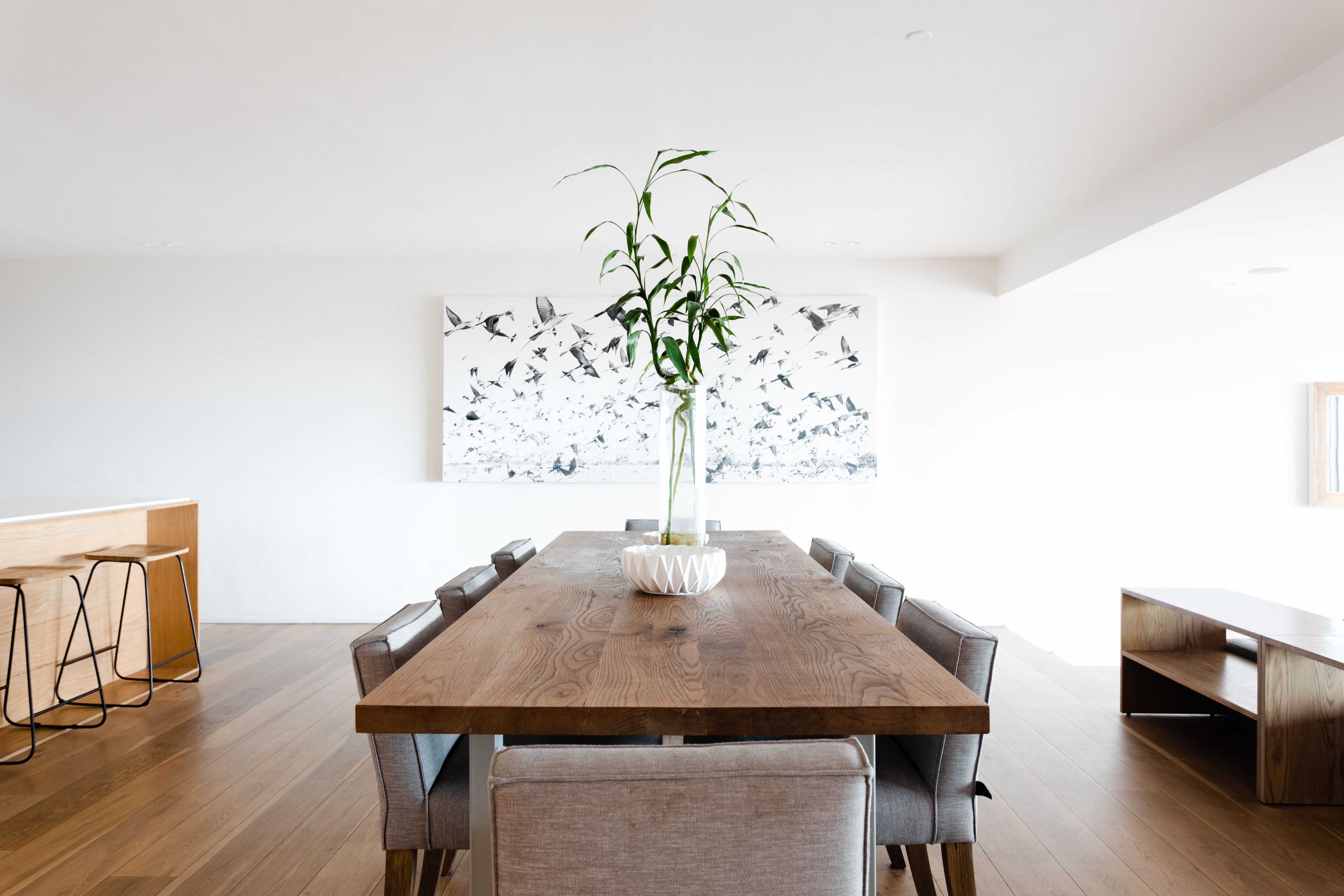
Your environment can coach your nervous system toward calm. Start by choosing a soothing palette and embracing negative space so the eye can rest. Bring in natural light, soften shadows with warm lamps, and reduce harsh contrasts. Favor multi-functional furniture that hides tools in plain sight: a bench with storage for shoes, an ottoman for blankets, a wall shelf that doubles as a desk. Tame visual clutter with closed cabinets and unified containers; corral small items in trays to signal what belongs. Edit decor with restraint, letting a few meaningful pieces breathe rather than many compete. Add life with plants, varied textures, and quiet sensory anchors like soft rugs or gentle scents. Reduce noise with fabric, rugs, or curtains, and keep cables concealed to preserve clean lines. Design obvious landing zones for keys, bags, and mail to prevent messes at the source. When your space consistently whispers order and simplicity, your mind learns to follow.
Mindset over Materials
Minimalism thrives when your mindset changes before your belongings do. Practice mindful consumption by identifying triggers that lead to impulse buys. Create a wish list and add a pause before purchasing to test whether desire lasts. Unsubscribe from promotional noise and set boundaries for apps and notifications that fracture attention. Extend minimalism to the digital world: archive old files, organize photos into simple albums, clear your desktop, and close stray tabs that drain focus. Audit your calendar with the same honesty you use in your closet; remove commitments that do not align with your values. Replace scrolling with nourishing micro-habits: a brief stretch, a few breaths, a sip of water, a note of gratitude. Journal about what less space, fewer decisions, and slower pace unlock for you. Minimalism is ultimately a practice of presence. When you free your attention from excess, you reclaim the capacity to notice, create, and connect.
Living Light on the Go
Carry the spirit of minimalism into how you move through the world. Build a capsule wardrobe that mixes and matches easily, so travel and workdays feel effortless. Keep a streamlined packing list saved and ready, then refine it after each trip by removing what you did not use. Plan simple, nourishing meals anchored by a few staples, and batch basic prep to reduce weekday friction. Consolidate errands, set designated days for household tasks, and leave buffer time on your calendar so life breathes. Practice financial minimalism by reviewing subscriptions, favoring experiences over things, and channeling savings toward goals that reflect your values. Curate an everyday carry: keys, wallet, phone, a small notebook, and one dependable pen. Make tech serve you by limiting apps to those that truly help. The lighter your load, the more agile you become, and the easier it is to say yes to what matters.
Sustaining the Practice
Simplicity sticks through small, repeatable rhythms. Create a weekly reset to clear surfaces, process mail, review your calendar, and reset shared spaces. Schedule seasonal audits for closets and storage so clutter never sneaks back. Communicate your vision with the people you live with; choose shared baselines like clear counters, a calm entry, and clean sinks at night. Offer gentle structure for kids with toy rotations and low, labeled bins that invite participation. Navigate gifts by suggesting consumables or experiences, and express gratitude while setting kind limits. Expect setbacks; they signal that life is full, not that you failed. When piles appear, return to first principles: simplify one zone, one decision, one breath at a time. Celebrate progress, however small, to reinforce identity-based change. As your needs evolve, let your systems evolve too. Minimalism is not a finish line but a supportive lifestyle that keeps making room for the person you are becoming.