Unlock Morning Energy with a 15-Minute Full-Body Routine
Jump-start your day with a 15-minute, equipment-free full-body routine that boosts circulation, builds strength, and sharpens focus.
Gentle Wake-Up Activation
Starting your day with a focused, full-body routine primes your energy system, sharpens your mind, and sets a confident tone for everything that follows. In just 15 minutes, you can elevate blood flow, increase oxygen delivery, and trigger the kind of light neuromuscular activation that wakes you up without draining your reserves. Think of this routine as a quick blend of mobility, stability, and strength that nudges your body into alignment while keeping intensity manageable. You will lubricate joints, switch on often-neglected stabilizers, and cultivate a calm yet alert state through steady breathing. The goal is not exhaustion; it is readiness. With minimal space and optional tools like a mat, band, or backpack, this structure fits busy mornings and supports consistent training habits. Done regularly, the sequence improves posture, reduces stiffness from sleep, and helps you transition from groggy to engaged. Consider it your daily practice for reliable energy, intentional movement, and lasting momentum.
Breath and Mobility Primer
Begin with 2 to 3 minutes of deliberate breathing and gentle mobility to signal your nervous system that movement is safe and productive. Use nasal inhales that expand the ribs in all directions, then long, smooth exhales that soften the shoulders and settle the core. Pair that breath with controlled moves: neck nods and turns, shoulder rolls, and slow spinal waves or cat cow to wake your thoracic region. Add open book rotations, wrist circles, and ankle circles to prepare key joints for load. Move through these patterns with intention, focusing on a tall spine, relaxed jaw, and even tempo. Keep the range comfortable, gradually increasing as tissues warm. This primer boosts synovial fluid, improves joint mapping, and enhances proprioception so the rest of your session feels both smoother and stronger. Aim for fluid, continuous motion rather than stretches held too long, keeping the emphasis on rhythm, breath, and a light, energizing pulse.
Lower-Body Ignition
Now wake up the engine room: your glutes, quads, and hamstrings. Start with bodyweight squats, sitting back and down while keeping a tall chest and a tripod foot anchored through big toe, little toe, and heel. Follow with hip hinges, pushing your hips back toward an imaginary wall to load the posterior chain without collapsing the spine. Add reverse lunges or split squats for single-leg control, keeping knees tracking in line with the second toe. Finish with glute bridges, squeezing for a 2 second peak contraction and breathing steadily. Keep reps smooth and crisp rather than rushed. Newer athletes can reduce depth or use a chair tap; more advanced movers can add a backpack hold or brief squat jumps for a gentle power pulse. Prioritize joint alignment, steady core tension, and even weight distribution. This block builds heat, enhances pelvic stability, and primes the legs to support upright posture and efficient movement throughout your day.
Core and Posture Set
Transition into strategic core work that reinforces a neutral spine and supports confident posture. Begin with a forearm plank, pressing the floor away, glutes lightly engaged, and ribs stacked over hips while you breathe calmly. Add dead bug reps to integrate the diaphragm with deep abdominals, moving opposite arm and leg with precision and without arching the low back. Follow with bird dog for anti rotation stability, extending long from crown to heel while resisting sway. Side planks or modified side holds strengthen the obliques that protect your trunk during daily tasks. Focus on quality tension, not maximal strain; aim to feel the abs and glutes share the load while the neck and lower back stay relaxed. This sequence enhances bracing, improves breathing mechanics, and trains the body to transfer force efficiently. Over time, the payoff is better posture, resilient movement patterns, and a midsection that supports both athletic goals and everyday comfort.
Upper-Body Push and Pull
Balance the lower body and core by activating your upper body with push and pull patterns that build stability around the shoulders. Start with push ups, scaling from a wall or countertop to knees or full floor as capacity grows. Keep elbows at about a 45 degree angle, forearms vertical, and hands gripping the floor to create torque. Pair with rows using a resistance band under your feet or a backpack held by the straps for controlled pulls, focusing on squeezing the scapulae down and back. Sprinkle in scapular push ups, shoulder taps, or Y T W raises to strengthen the smaller stabilizers that guide healthy shoulder motion. Move with a steady tempo, pausing briefly at the hardest point to improve control. Avoid shrugging, and keep the rib cage stacked to prevent overextension. This balanced approach develops pushing power, pulling endurance, and shoulder integrity, preparing you for confident, pain free daily tasks and more effective training sessions.
Energizing Flow and Structure
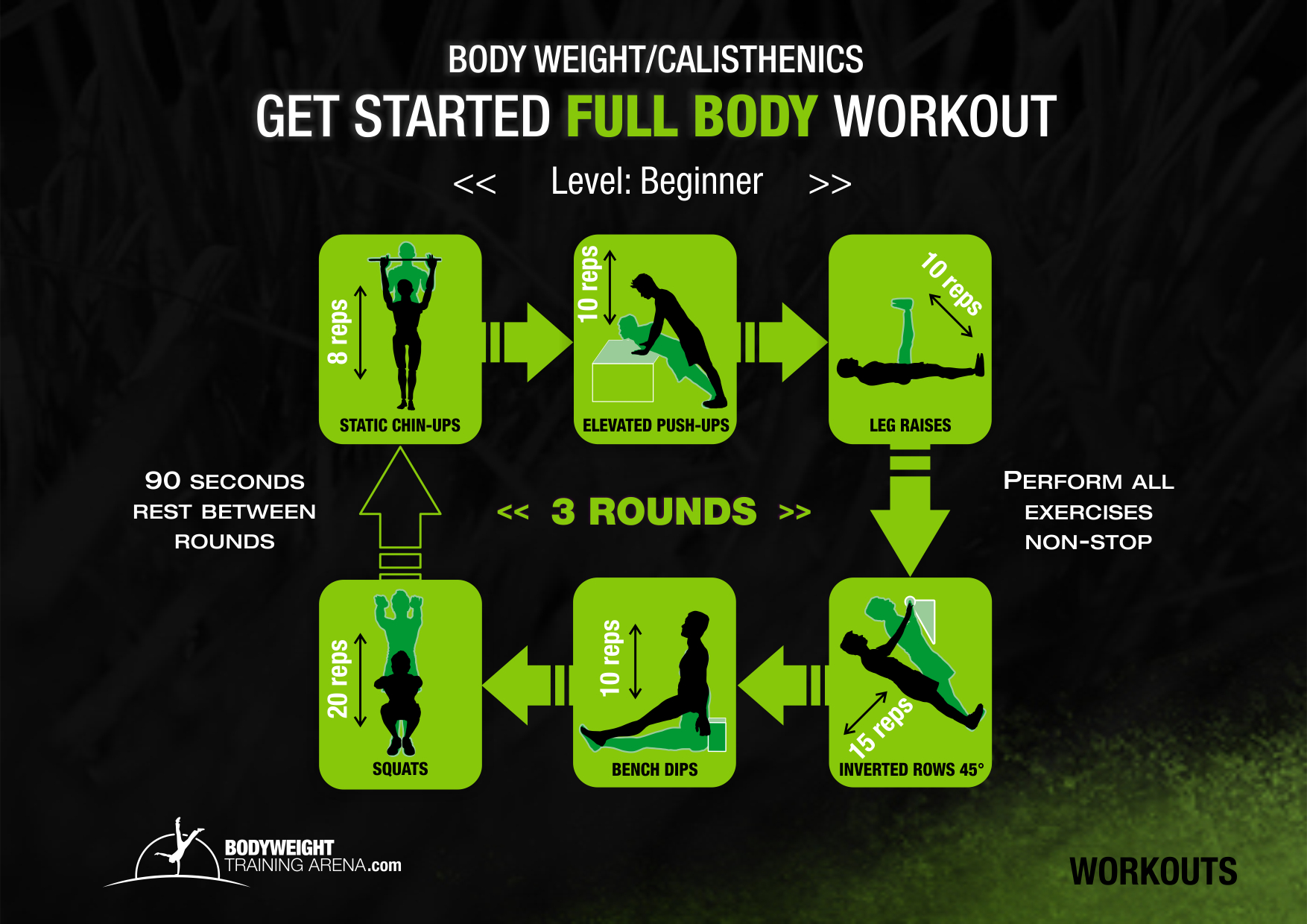
Turn components into a smooth, time efficient flow. Set a simple structure: alternate blocks of 40 seconds of work with 20 seconds of relaxed breathing, moving through mobility, lower body, core, and upper body in sequence. One example circuit might be squats, plank, rows, hip hinge, push ups, and bird dog, repeated at a conversational intensity that feels like a 6 or 7 out of 10. Keep transitions quick but unhurried, emphasizing posture and breath. If you prefer a rep target, choose small sets that you can complete without form breakdown, leaving a couple reps in reserve to avoid early fatigue. Use light background music or morning sunlight to elevate mood, and sip water between rounds. This approach blends consistency with adaptability, making it easy to show up daily. As you become more comfortable, progress by adding a round, extending work intervals slightly, or slowing the eccentric for greater time under tension.
Cooldown and Lasting Consistency
Cap your routine with a short cooldown to shift from activation to clarity. Breathe slowly through the nose, exhaling longer than you inhale to downshift the nervous system. Add gentle stretches for hip flexors, chest, calves, and thoracic rotation, holding each with relaxed shoulders and a soft jaw. Reflect for a moment on what felt strong and where you can improve form tomorrow. Build consistency by laying out your mat the night before, stacking the session with a morning cue like hydration or coffee, and tracking completion with a simple check mark. Progress gradually by adding a rep, extending a hold, or refining technique rather than chasing exhaustion. If time is tight, do one condensed circuit and keep the habit alive. Treat your 15 minutes as a promise to your future self, reinforcing energy, resilience, and focus. With repetition, you will notice better mobility, steadier posture, and a reliable spark that powers the rest of your day.