Wearables That Matter: Tracking Health, Fitness, and Daily Productivity
From heart health to focus at work, today's wearables translate raw sensor data into clear actions that improve fitness, recovery, sleep, and productivity.
Why Wearables Matter
Smart wearables have moved from novelty to necessity, bridging the gap between computers and the body. From versatile smartwatches and minimalist fitness bands to discreet smart rings, sensor-packed earbuds, and lightweight AR glasses, these devices translate motion and physiology into actionable insight. Core components such as accelerometers, gyroscopes, optical heart-rate (PPG), optional ECG electrodes, skin temperature, barometers, and GPS feed algorithms that surface trends you can actually use. The magic is not just measurement; it is context, delivered through subtle haptics, glanceable screens, and routines that fit daily life. Good wearables respect privacy, allow granular data control, and balance battery life with comfort, durability, and style. Thoughtful design minimizes friction: automatic workout detection, sleep tracking that does not require taps, and chargers that vanish into your desk. In the crowded world of consumer electronics, the wearables that matter are the ones that disappear into habit while quietly improving decisions—nudging you to move, breathe, recover, and focus without demanding another device to manage.
Health Tracking That Informs
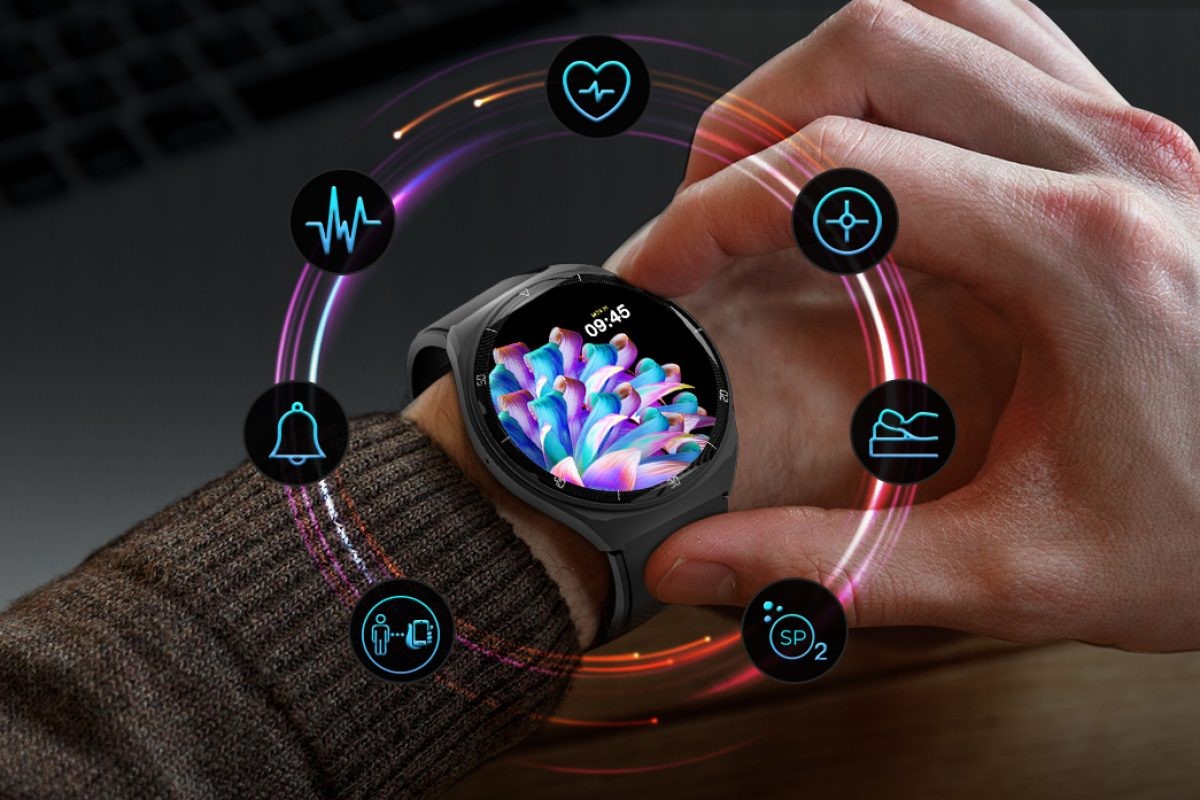
Health-focused wearables shine when they deliver insight, not noise. Continuous heart rate reveals resting HR and recovery patterns, while heart rate variability (HRV) offers a window into stress and readiness. Blood oxygen (SpO2), respiratory rate, and skin temperature add depth, flagging deviations that may warrant attention. Thoughtful apps translate raw signals into sleep staging, bedtime consistency, and circadian cues that help you tune routines. Stress scores, mindful breathing prompts, and menstrual cycle insights support day-to-day decisions without overwhelming you. The key is trend awareness: look for baselines, weekly changes, and context from journaling or activity logs rather than fixating on single readings. Proper sensor placement, snug but comfortable fit, and regular calibration checks improve reliability. While these tools are not medical devices, they can encourage earlier conversations with professionals and promote proactive habits. Ultimately, impactful health tracking aligns with your goals, reduces cognitive load, and converts data into clear, compassionate guidance you can act on consistently.
Fitness Metrics That Motivate
For training, the best wearables transform metrics into movement. Real-time pace, cadence, and split data help runners stay efficient, while stride length, ground contact time, and elevation shape form and course strategy. Cyclists benefit from GPS mapping, climb tracking, and power-zone guidance (when supported by paired sensors), and lifters gain value from rep counting, tempo, and rest timers. Across sports, estimated VO2 max, training load, and recovery indicators steer intensity so you do not overreach. On-wrist haptics cue intervals, breathing, and posture without screen dependence, and audio prompts from connected earbuds deliver coaching mid-session. Afterward, structured summaries highlight streaks, PRs, and weaknesses, recommending mobility, cross-training, or active recovery. Habit loops matter: auto-start for familiar activities, immediate feedback, and celebratory but respectful nudges help adherence. The result is a loop of plan, perform, review, and refine—supported by sensors and software that make every session a little smarter and every rest day feel earned.
Productivity On Your Wrist
Wearables elevate daily productivity by shrinking interactions to seconds. Glanceable notifications let you triage without unlocking a phone, while configurable complications surface calendars, tasks, and timers at a glance. Subtle haptics mark focus blocks, Pomodoro intervals, and meeting starts, and quick replies or dictation keep you moving between contexts. Smart alarms and gentle wake features align with sleep cycles to reduce grogginess, and micro-break reminders encourage posture resets and eye relief. Gesture controls, widgets, and voice capture support one-handed notes, while privacy-forward settings mute distractions during workouts, commutes, or deep work. For on-the-go power users, offline timers, travel cards, and lightweight navigation keep essentials close without screen fatigue. The best setups create a calm layer between you and the attention economy—surfacing only what is actionable, bundling the rest, and syncing seamlessly across your consumer electronics ecosystem. Over time, these tiny interactions compound, returning minutes to your day and clarity to your priorities.
Choosing What Fits You
Selecting a wearable starts with your purpose. Prioritize sensors that match your goals—sleep and HRV for recovery, GPS and cadence for training, or discreet form factors for all-day comfort. Balance battery life against display brightness and size, and weigh durability, water resistance, and materials for your environment. Consider ecosystem compatibility, export options, and data ownership: the ability to back up, migrate, or analyze your information matters as habits grow. Subscriptions, firmware updates, and on-device AI features shape long-term value, as do accessibility options like larger text and strong haptics. Try different band styles, check sensor fit on your skin, and confirm charging convenience. After purchase, maximize longevity with gentle cleaning, periodic sensor recalibration, thoughtful notification curation, and realistic goal setting that keeps motivation high. In a fast-moving computers and consumer electronics landscape, the right wearable is the one you will wear daily—reliable, respectful of your data, and relentlessly useful without stealing your attention.